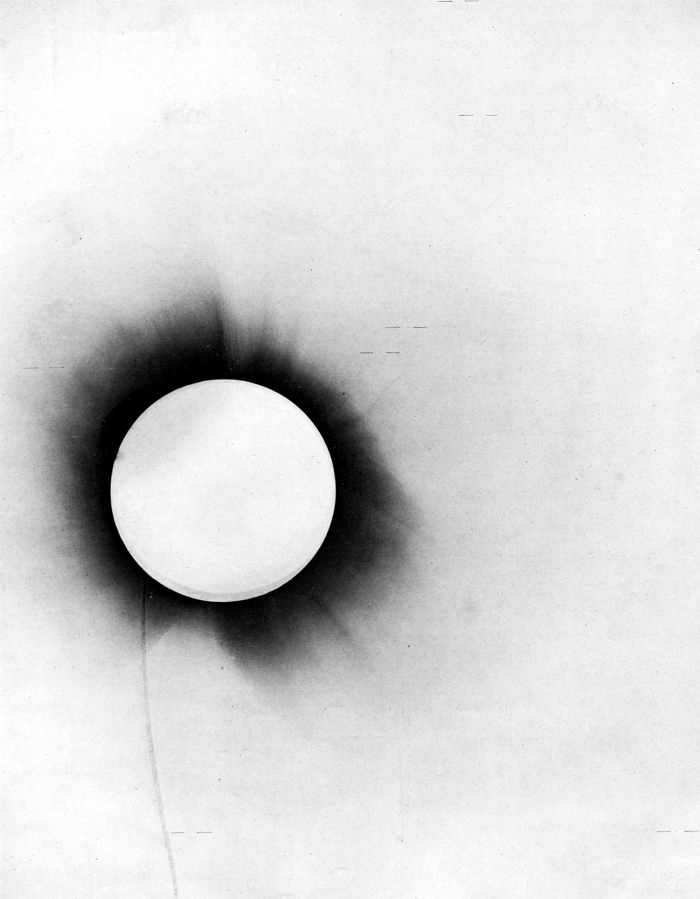
First Photographs and Curiosities of Historical Figures

Before there were celebrities, before there was fame, before there was even the portrait as we know it, there was an accident: a photographic exposure so long that it erased an entire city from the image, leaving behind, by pure chance, the first human being ever photographed. These are some of the earliest photographs in history — of people, of a face, of a moment — and what they reveal, unintentionally, about what it was like to be photographed before being photographed was easy.
The First Human Ever Photographed — By Accident (1838)
Louis Daguerre photographed the Boulevard du Temple in Paris on an ordinary day, with an exposure of four or five minutes — the normal traffic of pedestrians and carriages moved too fast to leave a trace, so the entire street appears completely empty, ghostly. Only one figure remains visible: a man standing on the lower-left corner, one leg propped on a box, while someone shined his shoes. He stood so still for so long — probably without knowing he was being photographed — that he became, without meaning to, the first person ever captured by a camera in history. His name was never known.
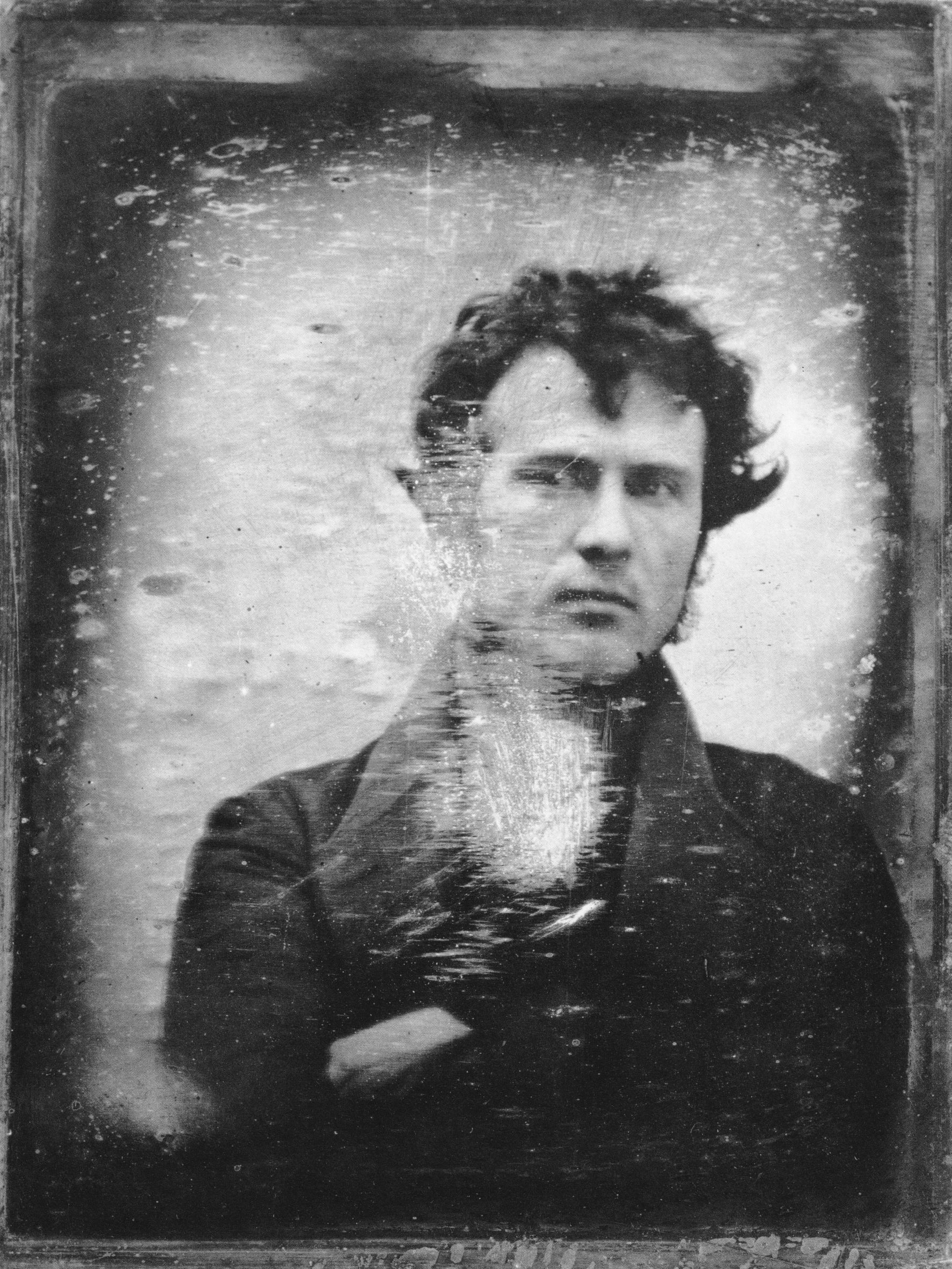
The First Selfie in History (1839)
Robert Cornelius, a Philadelphia chemist interested in the emerging art of photography, set up in front of his own camera in the backyard of the family business, removed the lens cap, ran into frame, held still for over a minute, and covered the lens again. On the back of the plate he wrote by hand: "The first light picture ever taken." He wasn't exaggerating much — it is, by all available evidence, the oldest surviving photographic self-portrait. His slightly disheveled hair and uncertain expression in front of the camera are, 180 years before Instagram, exactly the same nerves as anyone taking a photo of themselves for the first time.
Photographing Power: Lincoln Before the Camera (1863)
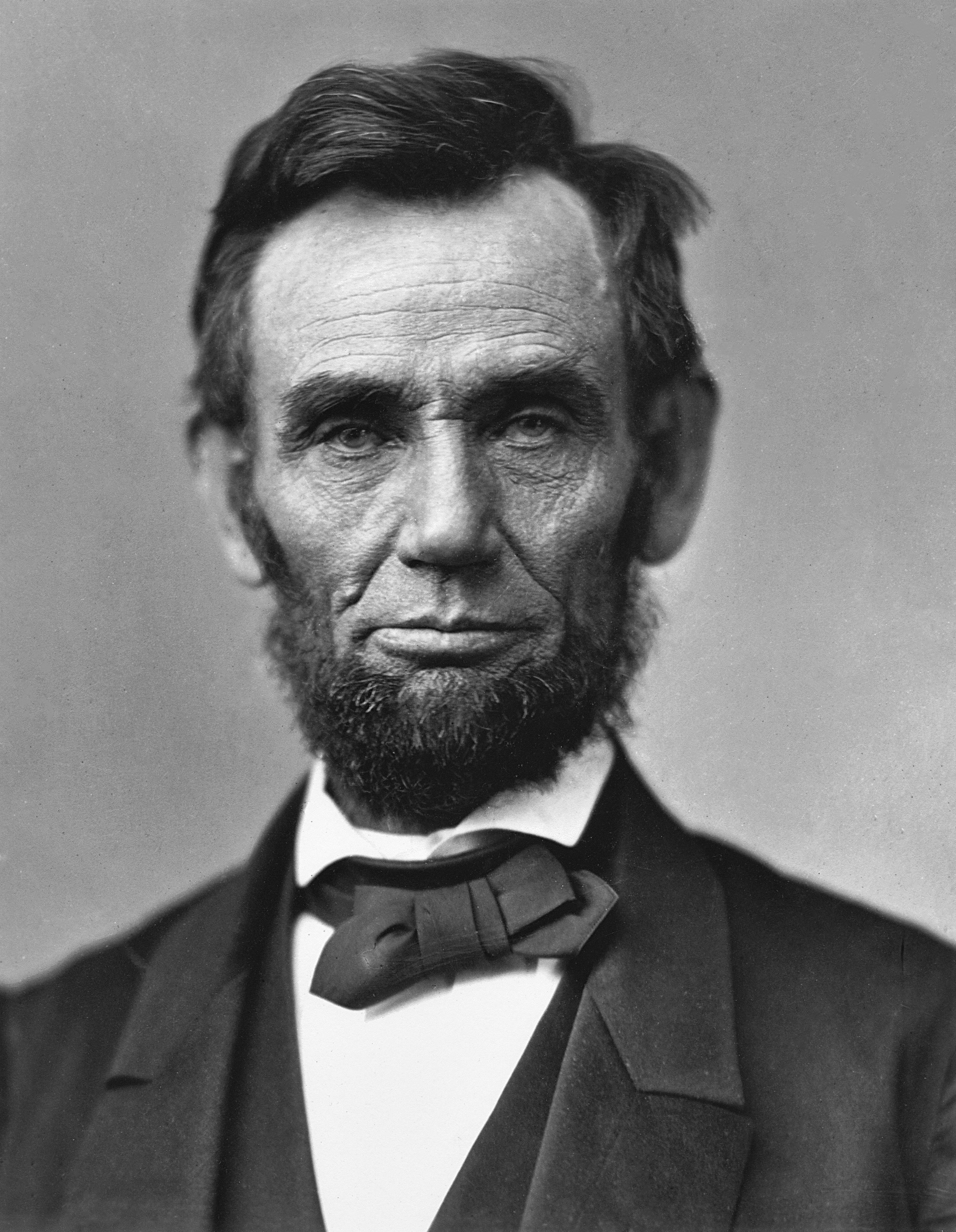
By the 1860s, photography was already a recognized political tool — Abraham Lincoln himself said that a portrait taken by Mathew Brady, together with his famous Cooper Union address, had helped him win the presidency. This particular portrait, the work of Alexander Gardner, was taken on November 8, 1863 — barely eleven days before the Gettysburg Address, one of the most quoted texts in US history. It is one of the few direct visual links between the real face of Lincoln and the exact moment he was writing the 272 words now taught in every American school.
Curiosity: The "Ghosts" the Technique Itself Created
The empty street in Boulevard du Temple wasn't an isolated case — it's a direct consequence of how early photography worked. With exposures lasting several minutes, anything in motion simply didn't leave enough of a trace to register; only what stayed still got fixed onto the plate. This unintentionally gave rise to an entire genre of photographs showing streets and squares that appeared deserted in broad daylight, and later fed — once exposures were shorter but still imperfect — the Victorian-era "spirit photography" fraud: deliberate double exposures that made translucent figures appear next to real people, sold to grieving families as proof of contact with their dead. It was one of the first documented uses of photographic manipulation for commercial purposes — a subject we cover with more cases in our article on fake and manipulated photos.
Why These Photos Are Still Extraordinary
None of the people in these images knew they were inventing anything — not the nameless man on the boulevard, not Cornelius running toward his own camera, not even Lincoln, who already understood the political power of a good portrait but couldn't have imagined that this particular one would be studied 160 years later. Compared with how easy it is today — pull out your phone, frame the shot, press the button, done in a second — each of these photos cost minutes of absolute stillness, unstable chemistry, and, in more than one case, sheer luck. Worth remembering the next time you delete a photo just because you don't like how it turned out.
If you want to properly keep yours — compressed, lightweight, ready to share without losing quality —you can do it here, right in your browser.